Japan itinerary for 8 days: a first-timer's plan
An 8-day Japan itinerary for first-timers from India: Tokyo, Hakone, Kyoto, Hiroshima and Osaka by bullet train, with hotels, the visa and best seasons.
AVR Travels · · 6 min read
This 8-day Japan itinerary is for a first visit: couples, families and parents who want the main sights without working out trains and tickets themselves. You fly into Tokyo and home from Osaka, and the Shinkansen does the long legs between Tokyo, Hakone, Hamamatsu, Kyoto, Hiroshima and Osaka.
It is the plan behind our 8-day Japan trip. A tour manager travels with you, and breakfast and dinner are included, which takes much of the guesswork out of a first trip.
Best time to visit: March to May, with cherry blossom in late March and early April and mild spring weather after it. October to November brings the autumn maples and the clearest views of Mount Fuji. Cherry blossom season carries a supplement, and no one can guarantee the bloom.
Day by day
Day 01
Arrive at Tokyo Narita
Clear immigration at Narita and meet your AVR tour manager. A short transfer to a hotel near the airport gives you an easy first night after the long flight, with an orientation briefing over dinner. Overnight at Narita.
Day 02
Tokyo: Shibuya, Harajuku and Shinjuku
Express train into central Tokyo. Shibuya Crossing first, then Takeshita Street in Harajuku and the quiet of Meiji Shrine in Yoyogi Park. Shinjuku's neon in the evening. A sumo match can be added when a tournament is on. Overnight in Tokyo.
Day 03
Tokyo: teamLab, Asakusa and the Sumida River
Morning at teamLab, the walk-through digital art museum of light, mirrors and water. Afternoon in Asakusa for Senso-ji temple and the Nakamise shopping street, with a roll cake tasting. A walk along the Sumida River at dusk. Overnight in Tokyo.
Day 04
Hakone and Mount Fuji, then Hamamatsu
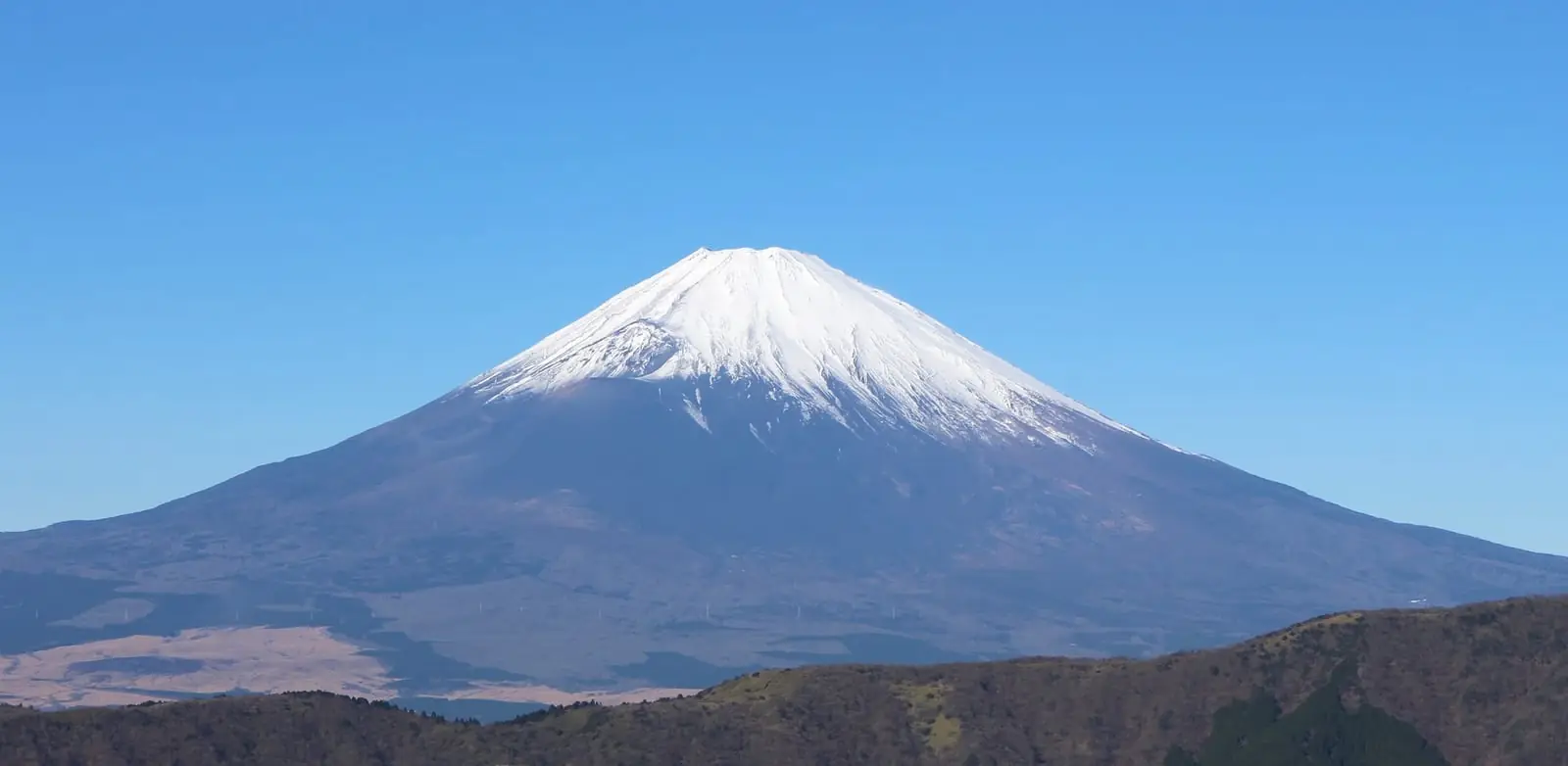
The Romancecar train out to Hakone. On a clear day Mount Fuji is in view from the Lake Ashi cruise and from the ropeway over the sulphur vents of the volcanic valley. Then the Shinkansen to Hamamatsu for a kintsugi workshop. Overnight in Hamamatsu.
Day 05
Kyoto: Fushimi Inari, Kinkaku-ji and a tea ceremony
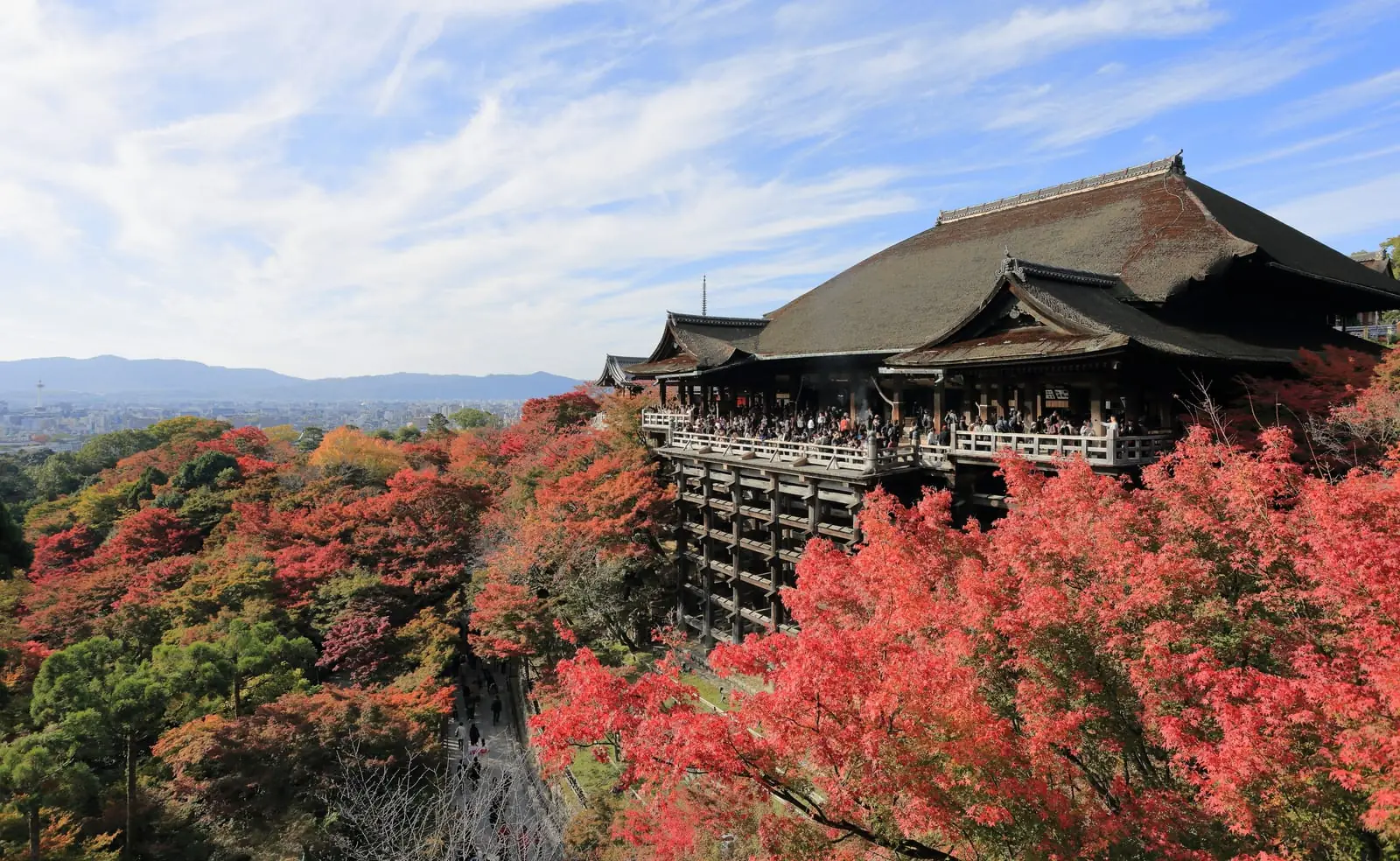
Shinkansen to Kyoto. The torii gates of Fushimi Inari, Nishiki Market and the Golden Pavilion at Kinkaku-ji, then a traditional tea ceremony and matcha making in the afternoon. On to Osaka for the night.
Day 06
Hiroshima and Miyajima
Shinkansen to Hiroshima for the Peace Memorial Museum and Peace Park. Ferry across to Miyajima for the torii gate of Itsukushima Shrine standing in the sea, and the deer that wander the island. Back to Osaka by Shinkansen. Overnight in Osaka.
Day 07
Osaka: the castle, Kuromon Market and Dotonbori
Osaka Castle and its gardens in the morning. A sushi tasting at Kuromon Ichiba Market, then Dotonbori's canal, neon signs and street food. Shopping in Shinsaibashi and a farewell dinner. Overnight in Osaka.
Day 08
Departure from Kansai
Breakfast, check out and transfer to Kansai International Airport for the flight home.
Where to stay
The plan books 4-star hotels by area rather than by name, matched to your dates. The Premium tier upgrades each night.
- Narita, 1 night: a 4-star near the airport, or an airport-area 5-star
- Tokyo, 2 nights: a central 4-star, or a central 5-star
- Hamamatsu, 1 night: a 4-star. On the Premium tier this night moves to a Hakone ryokan with an onsen and a kaiseki dinner
- Osaka, 3 nights: a 4-star, or The St. Regis Osaka on the Premium tier
Kyoto is a day visit on this plan. You see it on Day 5 and sleep in Osaka, which saves a hotel change.
Getting there and the visa
Return economy flights are part of the trip: into Tokyo Narita and home from Osaka Kansai, so there is no backtracking. Between cities you travel by Shinkansen, with AC coach transfers for sightseeing. Large bags can be sent ahead by courier so you travel light on the trains.
Indian passport holders need a visa for Japan. You apply at a Japan Visa Application Centre run by VFS Global, and tourist visas are issued electronically as an eVISA. Visa assistance and charges are included in this trip, and the Japan visa guide covers the documents, fee and processing time.
Budget
We price this trip for your dates and group. The price covers return economy flights, 7 nights in 4-star hotels with breakfast and dinner, a tour manager throughout, the Shinkansen and coach transfers, teamLab, the Hakone Ropeway and Lake Ashi cruise, the tea ceremony, kintsugi workshop and food tastings, the main temple and museum entries, the Miyajima ferry, visa charges and travel insurance.
Not included: lunches, sumo tickets, the cherry blossom season supplement, alcoholic drinks including sake, porterage, tips for the tour manager and driver, and personal expenses.
Tips for first-timers, kids and parents
- Vegetarians can eat well with planning. Many dishes use fish stock, so we share vegetarian restaurants in every city and brief the hotels in advance.
- Keep your eVISA on your phone. At the airport you show the visa issuance notice on a phone with internet access; a PDF, screenshot or printout is not accepted.
- Send big bags ahead by courier. From Day 4 to Day 6 you are on a train every day, and a small bag is much easier on platforms and steps.
- Days 4 and 6 have the most train travel. Day 7 in Osaka is the slower one, so keep it light if anyone is tired.
- teamLab has rooms with water, so wear trousers that roll up.
- Mount Fuji only shows on a clear day. October and November give the best chance of seeing it from Lake Ashi.
How to change it
- Swap the Hamamatsu night for a ryokan in Hakone, with an onsen and a kaiseki dinner.
- Add a sumo match on Day 2 if a tournament is on during your dates.
- Come in autumn: our Japan in autumn trip is ten nights in November, with five in Tokyo and a guided Fuji day, three in Kyoto with Nara and the temple night illuminations, and two in Osaka.
Two couples we planned for in May 2026 did an eleven-day version: Tokyo, a Mount Fuji day trip, Kyoto, Nara and Osaka, with pre-booked slots at teamLab and Shibuya Sky, an onsen afternoon in the hills north of Kyoto, and vegetarian and vegan restaurants listed for most meals. Their days are on the Tokyo, Mount Fuji, Kyoto and Osaka past trip.
We are also planning a ten-day cherry blossom trip for a family with children in March 2027, with three bases and one main outing a day. It is still a draft, with nothing booked yet, and you can see how it is shaping up on the Japan cherry blossom family trip page.
To start your own, send your dates and who is travelling from the Japan trip page and we will reply on WhatsApp.
Questions first-timers ask
Is 8 days enough for Japan?
For a first trip, yes. Eight days covers Tokyo, Hakone, Kyoto, Hiroshima, Miyajima and Osaka, because the Shinkansen does the long legs and you fly into one city and out of another. Our ten-night autumn version adds more time in Tokyo, Kyoto and Nara.
What is the best month to visit Japan?
Late March to early April for cherry blossom, or October to November for the autumn maples and the clearest Fuji views. Cherry blossom season costs more and cannot be guaranteed, so we watch the forecasts from February.
Is Japan manageable for vegetarians?
Yes, with planning. Many dishes use fish stock, so we share vegetarian restaurants in every city and brief the hotels in advance.
Do Indians need a visa for Japan?
Yes. Indian passport holders apply at a Japan Visa Application Centre run by VFS Global, and tourist visas are issued electronically as an eVISA. Visa assistance and charges are included in this trip.
Is Japan a good trip for senior citizens?
It can be. A tour manager travels with you, coaches handle the sightseeing transfers, and bags can go ahead by courier. Days 4 and 6 have the most train travel, so those are the days to pace carefully.
Is cherry blossom guaranteed?
No one can guarantee it. We watch the forecasts from February and fix dates as late as the bookings allow.